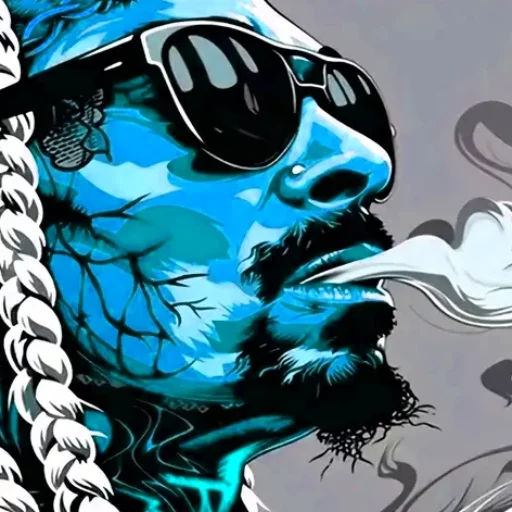
Ryan Celsius matters because he did not simply collect underground records. He gave them scenery, pacing and mythology. His Trappin in Japan visual mixtapes paired phonk, trap and chopped-and-screwed textures with nighttime streets, anime and cinematic footage, helping listeners experience the music as a world rather than background audio.
For independent rappers, that distinction is crucial. A playlist can generate exposure, but a recognizable universe gives listeners a reason to remember who created the music.
From personal project to underground platform
Celsius began making music and unofficial videos years before launching his YouTube channel in 2011. In an interview with Amuse, he explained that the channel started as a personal creative outlet—not a calculated attempt to build a media company.
The growth was slow. Celsius later recalled publishing more videos than he had subscribers during his early years. Instead of pivoting toward whatever was already popular, he kept developing a format that combined independent music with carefully selected visuals.
That consistency eventually produced signature series including Trappin in Japan and HIGH AT WORK. His current official press kit describes a platform spanning curation, releases and synchronized DJ/VJ performances across phonk, trap, wave and underground hip-hop.
He curated a feeling, not just a genre
Celsius’ musical identity reaches beyond the fast cowbells many TikTok users associate with drift phonk. In a detailed Heard It Here First interview, he connected phonk to Memphis pioneers such as Three 6 Mafia, DJ Paul and DJ Zirk, Houston’s chopped-and-screwed tradition and later SoundCloud producers including Soudiere, DJ Yung Vamp and Loud Lord.
He also named Radiohead, Portishead, Deftones, classical music, soundtracks, MF DOOM and Southern rap among his influences. That range explains why his curation feels cinematic: records are selected for texture, atmosphere and production detail, not merely because they share a genre tag.
When discussing playlist selection with Amuse, Celsius said he looks for artists bringing something distinctive to their genre, demonstrating command of their production tools and experimenting across musical boundaries. That is more useful than trying to reverse-engineer one playlist’s tempo.
The practical lesson for upcoming rappers
- Package the emotion. Artwork, snippets, Canvas loops and short videos should reinforce the same feeling as the record. SupremePR’s guide to Spotify Canvas visual branding explains how to extend that identity inside Spotify.
- Build repeatable formats. A named freestyle series, recurring visual setting or weekly preview creates recognition faster than unrelated posts.
- Know your lineage. If your record borrows from Memphis rap, phonk or chopped-and-screwed music, understand and credit the culture behind those sounds.
- Pitch the correct record. Do not send a curator every release. Send the one song that clearly fits their audience, supported by a short explanation and clean private link.
Can artists submit to Ryan Celsius?
No current public page reviewed for this article advertises an open playlist-submission form. His site lists an email for bookings, press and collaborations, but artists should not assume that means unsolicited Spotify pitches are invited. Avoid mass emails, inflated statistics, vague praise and requests for guaranteed placement.
A better strategy is to develop genuine audience signals first. Use a coordinated creator campaign, strong visual assets and legitimate Spotify playlist promotion that fits the record’s actual lane. SupremePR can help artists connect Spotify, TikTok and SoundCloud promotion into one release campaign instead of chasing disconnected vanity numbers.
The real Celsius playbook
Ryan Celsius built influence by making underground music easier to recognize, enter and share. The takeaway is not to copy Japanese street footage or phonk aesthetics. It is to give your sound a consistent environment—and keep building it long enough for the right community to claim it.