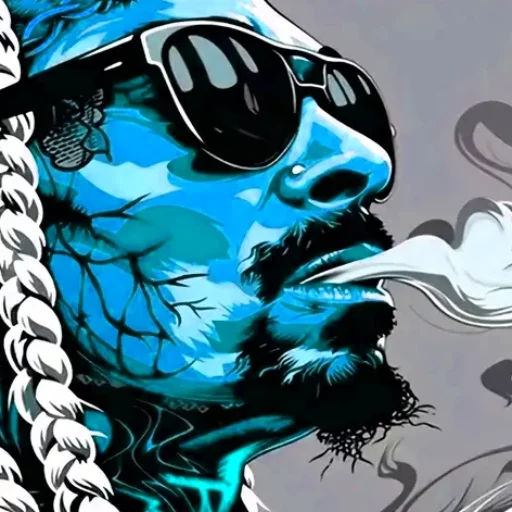
Hakeem Rowe’s influence offers a reality check for artists chasing playlist adds: discovery usually starts before anybody opens Spotify. It happens through friendships, scenes, live performances, interviews, reposts, and the moment somebody trusted plays your record without being pressured.
That is the foundation of Rowe’s reputation. As the longtime face of Our Generation Music, he became known for identifying emerging rap talent and giving artists room to explain the world behind their music—not simply dropping their names into another disposable content cycle.
From Jamaica and New Jersey to rap media
Rowe was born in Clarendon, Jamaica, moved to New Jersey at nine, and later traveled to California with ambitions of making music. According to a 2021 profile of his early career, meeting Adam22 while working near No Jumper led to a three-year run on the platform.
That background shaped an unusually wide ear. Rowe told REVOLT that Jamaica introduced him to riddim and its surrounding culture, while suburban New Jersey exposed him to rock, rap, skating, and different social circles. His media inspirations include Complex alumni Jinx and Speedy Morman, whose interview styles emphasized music and fashion over manufactured drama.
Credibility came from being early—and genuinely interested
REVOLT identified Yeat, Nardo Wick, Ken Carson, and Cochise among the artists Rowe supported early. That does not mean one interview created their careers. It shows that his public taste consistently overlapped with sounds gaining traction in the underground before reaching a wider rap audience.
Our Generation Music expanded that discovery system beyond interviews. Its OGM Live performance series featured developing acts including KA$HDAMI, DC The Don, CHXPO, and Matt Ox, while its premiere series supplied artists with original visual content. The platform was still publishing forward-looking discovery coverage with its Artists to Watch 2025 list, which included names such as 2hollis and skaiwater.
Documented fact: Rowe says he must be a fan before agreeing to an interview. Practical analysis: that selectivity protects his recommendation signal. If every artist receives identical enthusiasm, the audience stops treating the co-sign as meaningful.
Why aggressive pitching works against you
Rowe has been direct about artists feeling entitled to his attention. He explained that music reaches him naturally through broad friend groups, online activity, and real-world experiences. Forcing somebody to listen is different from creating a situation where curiosity pulls them toward the song.
No verified public channel promises artists direct access to Rowe or guaranteed OGM coverage. Treat business contacts as professional entry points—not permission to send repeated DMs, tag somebody under unrelated posts, or claim your record is “the next big thing.”
What independent rappers should copy
- Build scene-level recognition. Give local DJs, creators, producers, and fans a reason to discuss the record before approaching national tastemakers.
- Package a world, not an attachment. Strong artwork, performance clips, a focused bio, and a clear story make curiosity easier.
- Target genuine taste matches. Study what a curator actually covers instead of sending the same pitch to 200 accounts.
- Create multiple discovery doors. A freestyle, TikTok clip, interview, live set, blog feature, and Spotify profile should reinforce the same identity.
- Respect the relationship. One concise message with a private or public listening link is stronger than daily follow-ups.
Artists who need help building those discovery doors can use SupremePR’s music-promotion services to coordinate Spotify, TikTok, and SoundCloud visibility. SupremePR also offers guidance on pitching music blogs and magazines and transparent options for Spotify playlist promotion.
Rowe’s larger lesson is that modern influence is portable. The trusted ear can move from an interview to a festival livestream, an A&R room, a TikTok clip, and eventually a listener’s Spotify queue. Your job is not to force entry into that chain. It is to build enough genuine motion that tastemakers want to follow the signal.